
The dazzling face of international trade is the tourism and hospitality sector. Experiences, memories, and the assurance of flawless service are what make it thrive. But there is a complicated web of operational dangers hidden behind every five-star review and leisurely retreat. The possibility of catastrophe is always present, from the intense heat of industrial kitchens to the heavy foot traffic in expansive lobbies and the chemical concoctions utilized in housekeeping. Safety is more than just a legal obligation in this high-stakes setting; it is the cornerstone of a company’s reputation. A single occurrence, such as a fire, a foodborne illness outbreak, or a guest slip, can damage a reputation earned over decades. At this point, the indispensable foundation of operational excellence is specialized HSE training in tourism and hospitality. It ensures that employee safety and visitor well-being are integrated into the very fabric of the guest experience by shifting from reactive compliance to proactive protection.
The hotel sector functions in a fishbowl, in contrast to manufacturing or construction. Through the prism of social media, every action is watched, and every error is exaggerated. Here, the dangers are distinct and frequently go unnoticed.
Think about the housekeeping division. Employees are moving large trolleys, carrying big mattresses, and handling strong cleaning solutions that might burn their skin or cause respiratory problems. Back injuries or chemical splashes might result in missed workdays and compensation claims in the absence of adequate health and safety in tourism. In a similar vein, the kitchen is a battleground with hot oil, wet floors, and sharp knives. Cross-contamination can result from lax food safety and hygiene regulations, which can cause widespread illness and force a facility to close for days.
In addition, the contemporary hotel operates around the clock. Long hours, night shifts, and the pressure to perform flawlessly all lead to physical and mental exhaustion, which raises the risk of accidents. These particular strains are addressed by effective hospitality and tourism management safety training, which teaches employees how to spot burnout symptoms and properly handle workloads.
In this industry, generic safety training is insufficient. The training needs to be customized to meet the unique needs of the service sector. Here’s how the hospitality industry benefits from superior HSE training.
Despite being the unsung heroes of the hotel industry, housekeepers and porters are also the most likely to sustain injuries. Serious musculoskeletal diseases might result from lifting bags, moving furniture, or even changing beds incorrectly. To avoid repetitive strain injuries, specialized training emphasizes proper lifting techniques, the use of equipment like trolleys, and job rotation.
Hotels' "cleanliness is next to godliness" philosophy results in a significant reliance on chemicals. The correct handling, dilution, and storage of these compounds must be covered in training. To ensure that employees have the knowledge necessary to prevent infections, it should also include Bloodborne Pathogen training for managing spills or laundry contaminated with biological waste.
In essence, a hotel is a vertical community. Evacuation is a logistical headache if a fire starts on the fifteenth floor. Gulf Academy Safety provides efficient Health and Safety in the Hotel Sector procedures, including teaching employees how to use fire extinguishers, prevent fires, and—above all—manage crowds during evacuations. Employees must be trained to swiftly and effectively lead frightened visitors who are not familiar with the layout of the institution to safety.
The most obvious component of hotel security is this. The supply chain is risky from farm to fork. Chefs and food handlers are guaranteed to comprehend temperature monitoring, vital control points, and allergen management through HSE training. This is about creating a culture where safety is the main element in every food served, which goes beyond simple sanitation.
If everything looks good, why spend a lot of money on safety? Because your reputation is your most valuable asset in the service sector. If you don’t have a safety culture, a “clean” safety record now does not guarantee one in the future.
Strong HSE training in tourism and hospitality protects not only your employees but also your visitors. Think about crowd control. Pools and lobbies are packed during busy times. Employees who receive crowd control training avoid mishaps like drownings and trampling. Think about emergency response if a customer at the restaurant has a heart attack. A potential tragedy can be transformed into a tale of heroic care if staff members are educated in First Aid and CPR and can stabilize the person before emergency services arrive.
Actually, having a solid safety record is becoming a big selling feature. Families and high-net-worth individuals are more aware than ever about cleanliness and security. They are actively looking for properties that put their health first. You are reaching a high-end market that appreciates peace of mind by putting safety first.
The cost of negligence is high. A personal injury lawsuit can deplete a hotel’s resources in this era of litigation. Regulations about employee welfare, food hygiene, and fire safety can have crushing fines for noncompliance. Additionally, the “hidden costs”—loss of business as a result of negative publicity, higher insurance premiums, and employee turnover—often much outweigh the original settlement payments.
This is where Hospitality and Tourism Management Safety Training provides a massive return on investment. You can lower workers’ compensation premiums, downtime, and the expense of recruiting and training replacement employees by lowering accidents. It produces a positive feedback loop whereby safer employees are happier employees, happier employees deliver better service, and increased income is the result.
Additionally, regulatory agencies around the world are tightening the screws. Authorities are enforcing strict safety regulations in areas like the Gulf, where tourism is a major economic engine. By taking part in health and safety in the hotel industry, Gulf Academy Safety makes sure that your business not only satisfies but goes beyond these regulatory requirements, preventing fines and closures.

Safety is not a list; it’s a culture. It must be present at all organizational levels.
Employees must receive training on how to handle hostile visitors, recognize possible security risks, and handle emergency communications. In times of crisis, they are the commanding voice.
The area with the greatest danger. Everything from chemical safety to situational awareness when entering guest rooms (to avoid theft allegations or personal harm) is covered in this training.
Employees frequently operate heavy machinery, electricity, and at heights. They use work permits and Lockout/Tagout (LOTO) procedures for high-risk jobs thanks to HSE training in tourism and hospitality.
An emphasis on burns, slips, sharp objects, and hygiene.
Employee mentality change is one of the most significant outcomes of successful training. Safety culture is demonstrated when a porter spots a frayed carpet and reports it right away to avoid a trip hazard. Safety culture is demonstrated when a chef checks the refrigerator’s temperature and logs it without being asked.
It is not an accident that this proactive action occurs. It is created via ongoing education. It necessitates abandoning yearly “tick-box” training sessions. Rather, daily toolbox lectures and refresher sessions should incorporate safety.
When staff see that management is genuinely invested in their well-being through comprehensive training, they feel valued. Higher retention rates result from this. Keeping talented employees is a huge competitive advantage in a sector that suffers from excessive employee turnover.


The intricacy of the hospitality sector necessitates a training partner who is aware of its subtleties. Hotel employees don’t respond well to generic industrial safety seminars. Targeted initiatives like those provided by Gulf Academy Safety and Health & Safety in the Hotel Industry are crucial to closing this gap. These programs are especially made to address the particular difficulties faced by hotels and resorts. They make use of regional real-world case studies to make sure the training is both culturally appropriate and consistent with local regulations. Specialized training offers the road map for success, whether it is addressing the unique heat-stress dangers of outdoor resorts or the security issues of a busy urban hotel.

Staff learn by applying scenarios they face daily, not abstract concepts.

Use of gamification and VR scenarios to simulate emergencies without risk.

Focus on reducing incident rates and improving audit scores.
Technology integration is the key to hotel safety in the future. Dusty manuals are being replaced by technologically advanced instructional systems. Housekeepers’ physical strain can be tracked by wearable technology. Safety rounds are carried out correctly thanks to digital checklists. Managers can see patterns with real-time reporting, such as a floor with a higher number of slip accidents, and take prompt action.
Employees must be digitally educated to implement these technologies, but they also offer previously unheard-of volumes of data that improve safety decisions. To ensure that human vigilance is bolstered by digital intelligence, modern HSE training in tourism and hospitality aims to enable the staff to manage these technologies efficiently.
Ultimately, a friendly hotel is a safe hotel. The two cannot be separated. Until the fire suppression system saves their lives, guests do not value it. Until they witness their infant joyfully crawling on the floor without developing a rash, many do not consider the chemical-free cleaning products. The unseen cornerstone of luxury and service is safety.
For management, investing in demanding HSE training in tourism and hospitality is an investment in the brand’s survival. It is a dedication to safeguarding your most precious resources: your employees and visitors. Safety is a strategic investment rather than an expense in the highly competitive tourism industry, where a single unfavorable review can have global repercussions.
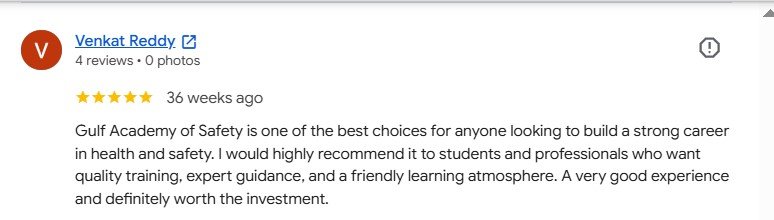
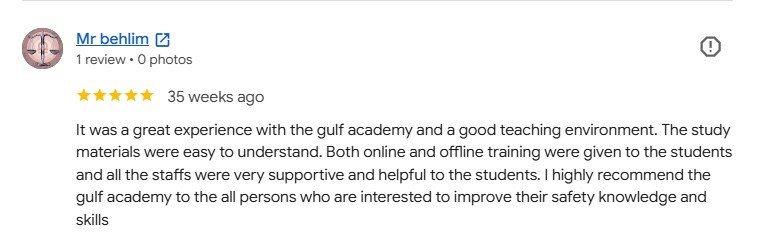
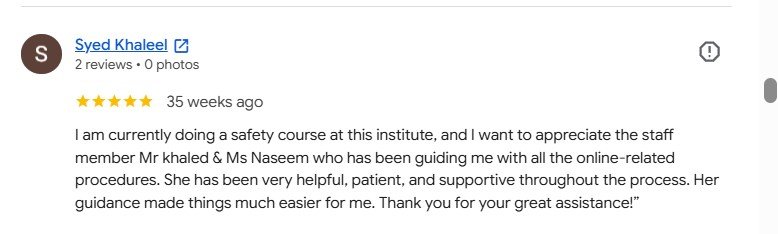

In the future, safety credentials will be just as important to the industry as star ratings. The greatest talent and the most discriminating visitors will be drawn to properties that can demonstrate a high standard of safety through accreditation and best practices. Adopting thorough training—specifically Gulf Academy Safety’s Hospitality and Tourism Management Safety Training and Health & Safety in the Hotel Industry—will help you build a strong foundation of trust and mitigate risk.
Avoid waiting for a “near miss” to turn into a “major incident.” Take the initiative. Raise the bar for safety right now. Involve the professionals, give your employees more authority, and make sure each visitor departs not just happy but also secure.
Contact our admissions team now to discuss a custom training plan for your organization or to enroll in our next public session.